Decoding Filling Materials: Your Options Explained
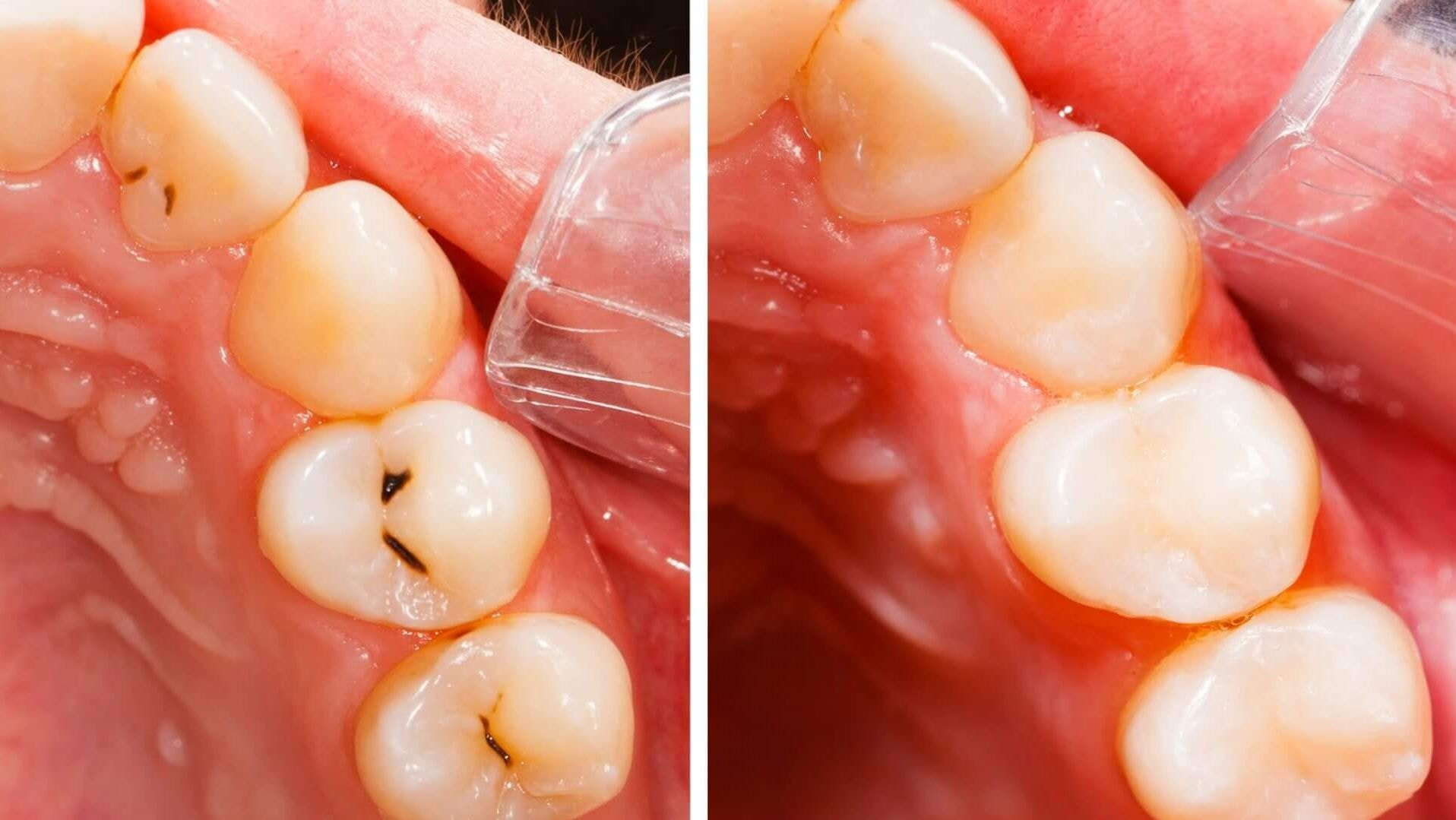
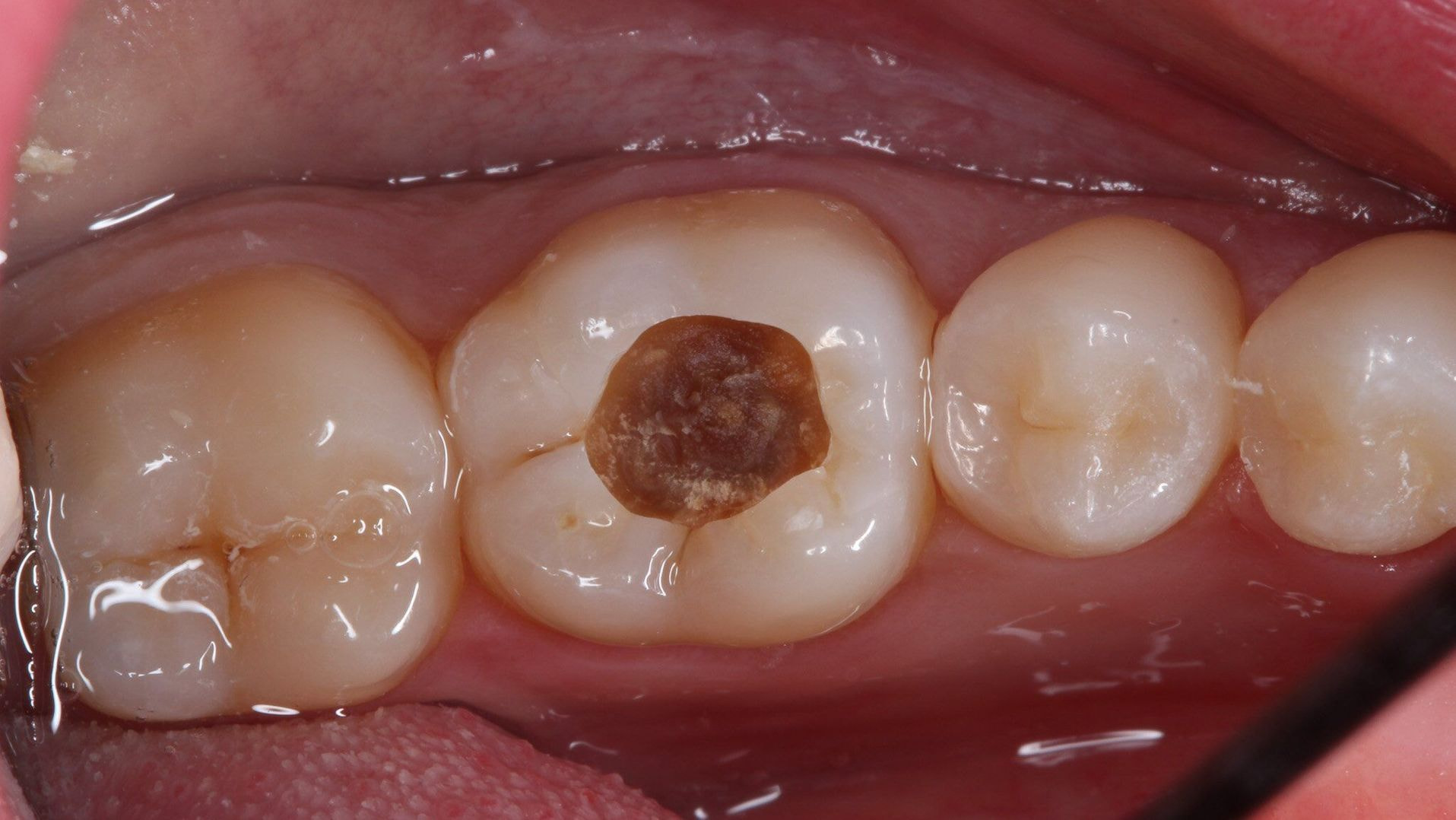
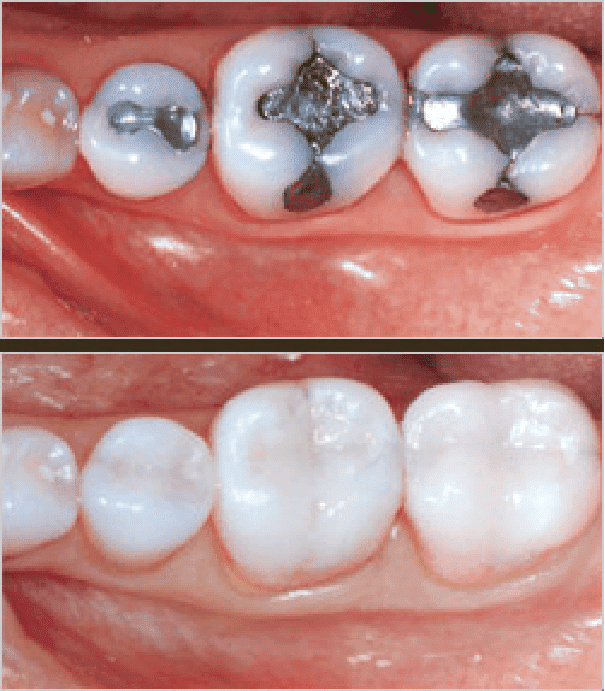
A variety of materials are used for dental fillings, each with distinct advantages and disadvantages. Amalgam, a silver-colored mixture of metals, has been a traditional choice due to its strength, durability, and cost-effectiveness. However, its metallic appearance and mercury content have led to a decline in its use. Composite resin fillings, made from a tooth-colored plastic and glass mixture, are increasingly popular for their aesthetic appeal, blending seamlessly with natural teeth. They bond directly to the tooth structure, offering good support, but may be less durable than amalgam in high-stress areas. Other materials include gold (highly durable but expensive) and porcelain (custom-made, aesthetically pleasing, but costly and more brittle).
.png)


.jpg "restoring a tooth damaged by decay or minor injury by filling the cavity with a material like composite, amalgam, or ceramic to protect and strengthen the tooth.")