restoring a tooth damaged by decay or minor injury by filling the cavity with a material like composite, amalgam, or ceramic to protect and strengthen the tooth.

DENTAL FILLING

Why Dental Fillings are Key to a Healthy Smile?

Dental fillings are a cornerstone of restorative dentistry, serving to repair teeth damaged by decay, fractures, or wear. These seemingly simple procedures play a crucial role in maintaining oral health, preventing further deterioration, and restoring both the function and aesthetics of a compromised tooth.

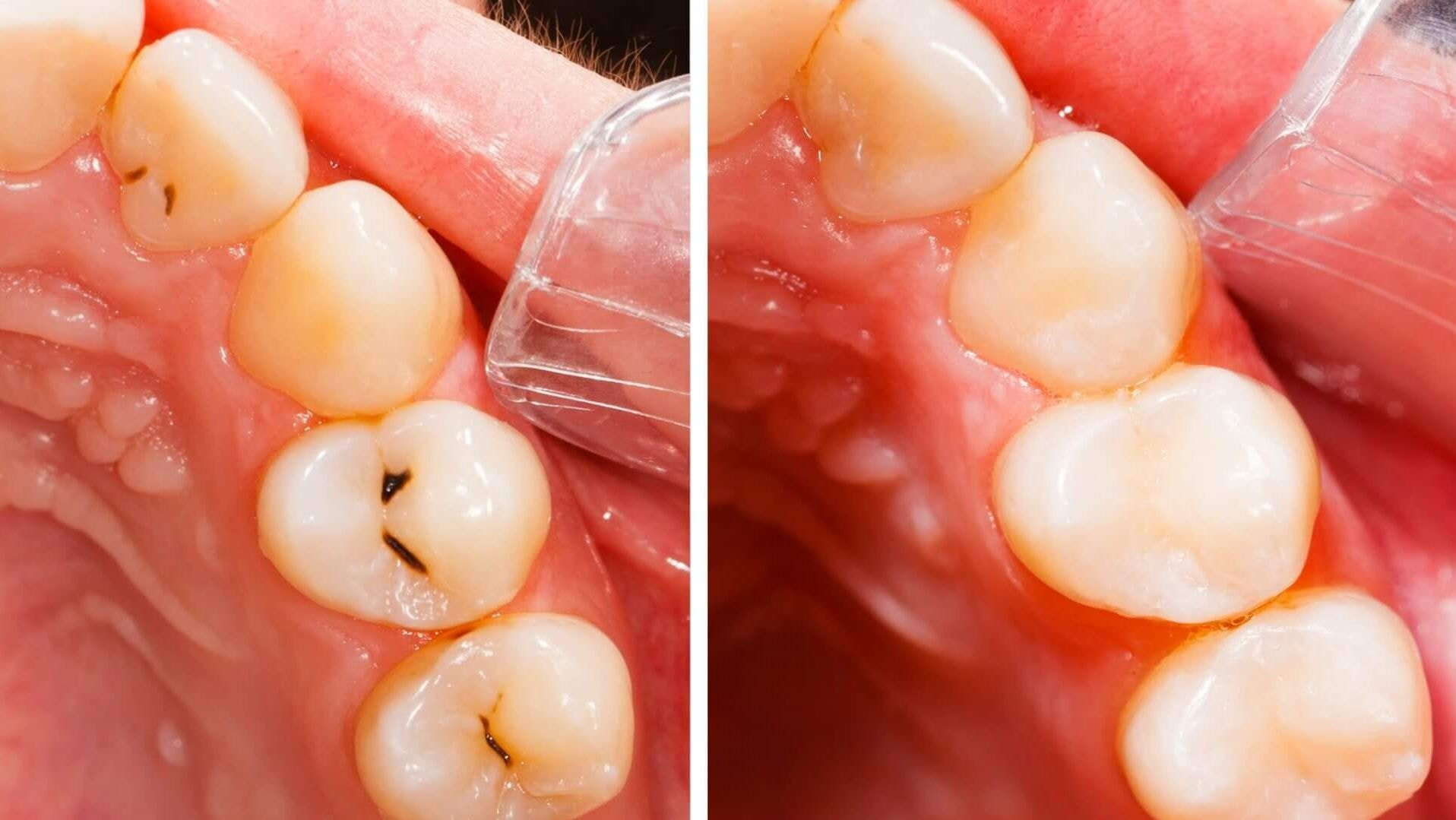
tooth before and after doing composite

The Journey of a Tooth Filling: What to Expect...

The primary purpose of a dental filling is to remove decayed or damaged tooth structure and replace it with a material that restores the tooth's original form and strength. This process typically begins with the dentist preparing the tooth by removing the decayed portion. Once the area is clean and shaped, the chosen filling material is meticulously applied, molded, and then hardened to create a durable, protective barrier.

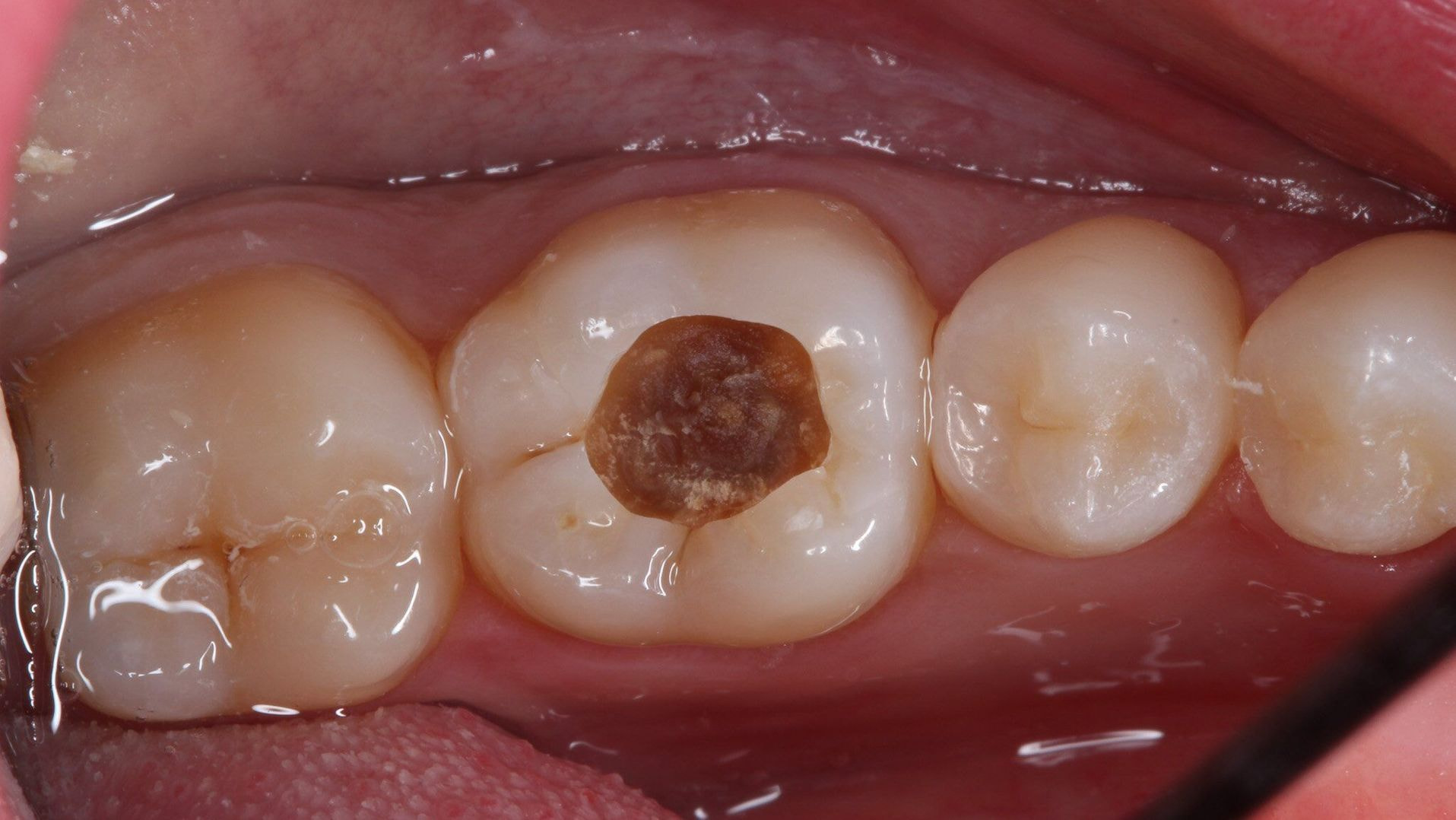
A decayed tooth has damage caused by bacteria, leading to cavities and possible pain or sensitivity.

Decoding Filling Materials: Your Options Explained

A variety of materials are used for dental fillings, each with distinct advantages and disadvantages. Amalgam, a silver-colored mixture of metals, has been a traditional choice due to its strength, durability, and cost-effectiveness. However, its metallic appearance and mercury content have led to a decline in its use. Composite resin fillings, made from a tooth-colored plastic and glass mixture, are increasingly popular for their aesthetic appeal, blending seamlessly with natural teeth. They bond directly to the tooth structure, offering good support, but may be less durable than amalgam in high-stress areas. Other materials include gold (highly durable but expensive) and porcelain (custom-made, aesthetically pleasing, but costly and more brittle).

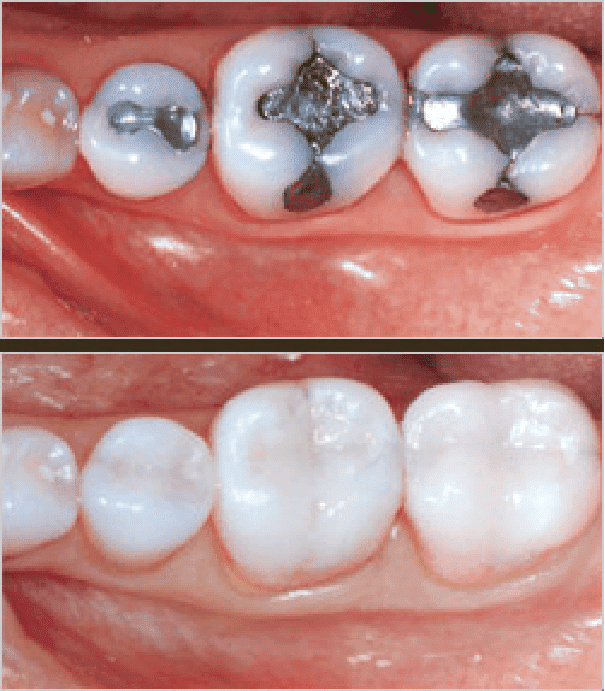
Metal fillings replaced with natural-looking white fillings for a cleaner, more aesthetic smile
A tooth filling restores tooth function and prevents further decay, protecting the tooth long-term when properly cared for.

Beyond the Fix: The Lasting Impact of Fillings

Beyond merely stopping decay, fillings prevent bacteria from entering the inner tooth, thereby averting more serious issues like infection and tooth loss. They restore chewing ability, alleviate pain caused by cavities, and contribute to a healthier, more comfortable smile. Regular dental check-ups are essential to detect cavities early, ensuring that fillings can address problems before they escalate. Ultimately, dental fillings are a vital intervention, preserving the integrity of individual teeth and contributing significantly to overall oral well-being.
The lasting value of dental fillings lies in their ability to restore tooth function, prevent further decay, and maintain oral health for many years with proper care.

Beyond the Fix: The Lasting Value of Dental Fillings

Beyond merely stopping decay, fillings prevent bacteria from entering the inner tooth, thereby averting more serious issues like infection and tooth loss. They restore chewing ability, alleviate pain caused by cavities, and contribute to a healthier, more comfortable smile. Regular dental check-ups are essential to detect cavities early, ensuring that fillings can address problems before they escalate. Ultimately, dental fillings are a vital intervention, preserving the integrity of individual teeth and contributing significantly to overall oral well-being